How Carbon Monoxide Is Produced
Carbon monoxide forms when fuels — gas, oil, wood, charcoal — burn incompletely without enough oxygen. In apartments, the most common sources are gas stoves and ovens, gas furnaces and boilers, gas water heaters, portable generators, and attached parking garages where vehicle exhaust can migrate into living spaces.
Because CO has no smell, no color, and no taste, the human body cannot detect it through any natural sense. At low concentrations — around 70 ppm — CO causes headaches, fatigue, and nausea that are easily mistaken for a cold or flu. At higher concentrations (above 150 ppm), CO causes confusion, rapid heart rate, and loss of consciousness. At very high levels it is fatal within minutes.
CO poisoning is particularly dangerous because symptoms resemble illness. Many victims attribute early warning signs to unrelated causes and delay evacuation. A functioning CO detector eliminates this ambiguity entirely — if the alarm sounds, the response is immediate and unambiguous.
How CO Detectors Work
Modern residential CO detectors use electrochemical sensor technology. Inside the sensor, CO molecules react with an electrolyte solution, generating an electrical current proportional to the CO concentration in the air. This current is measured continuously, and when it exceeds a threshold corresponding to dangerous CO levels, the alarm triggers.
All UL 2034-certified CO detectors follow the same alarm threshold standard: they must alarm within 35 minutes at 70 ppm, within 15 minutes at 150 ppm, and within 4 minutes at 400 ppm. They must not alarm for 30 days at 30 ppm, which prevents nuisance alarms from trace CO that's harmlessly present in some environments.
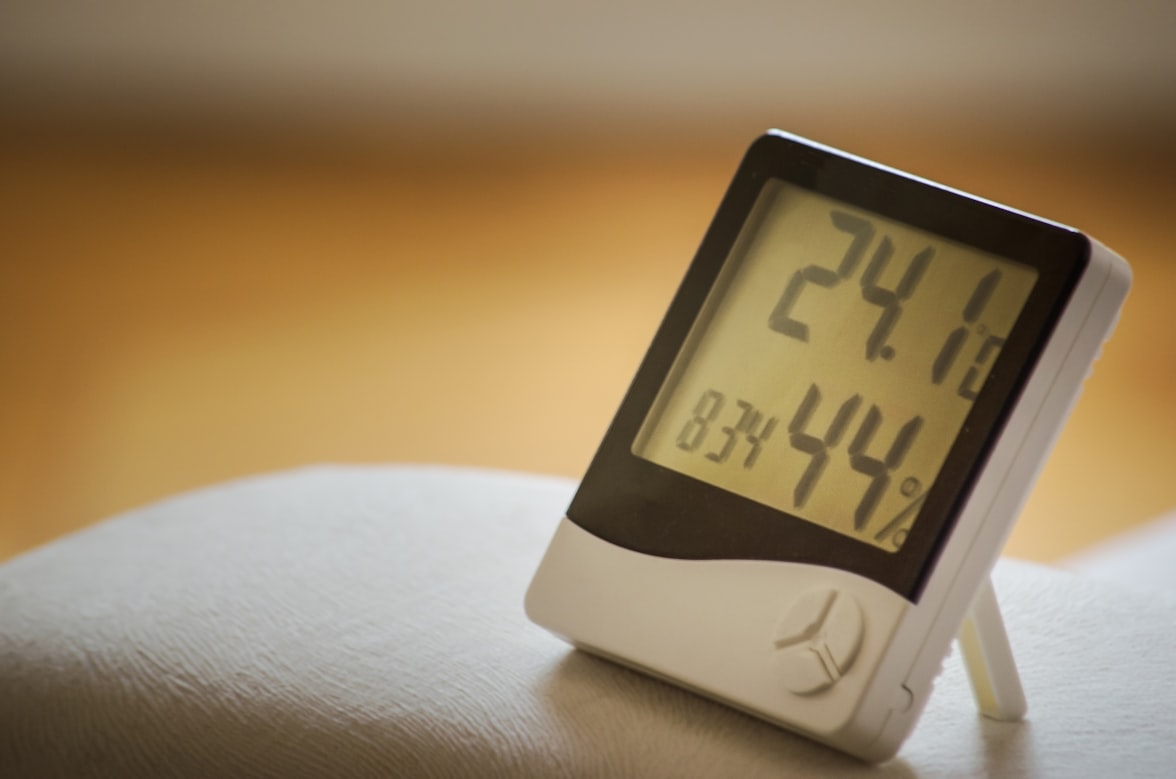
Digital display models show the current CO reading in parts per million (ppm), allowing you to monitor low-level CO exposure before it reaches alarm thresholds. This is particularly useful for identifying minor appliance issues — a water heater venting slightly — before they become emergencies.
Where to Place CO Detectors in Your Apartment
CO is roughly the same density as air, which means it disperses throughout a space rather than settling low (like propane) or rising (like lighter gases). Detectors can be placed at any height — floor to ceiling — and will detect CO effectively.
Installation guidelines from the NFPA: place at least one CO detector on every level of your home; install one within 10 feet of each bedroom door so the alarm is audible while sleeping; keep detectors at least 5 feet from gas appliances, direct sunlight, and areas with high humidity (bathrooms, kitchens).
For a typical one-bedroom apartment, this means a minimum of two detectors: one in the main living area and one near the bedroom. If the apartment has a gas range, a kitchen-adjacent unit adds an extra layer of detection for slow appliance leaks. Replace CO detectors every 5–7 years, as electrochemical sensors degrade over time regardless of how well the unit appears to function.
Our Recommendations
Best CO Detectors for Apartments
Our full ranking of battery-powered, plug-in, and digital display CO detectors — reviewed by UL certification, sensor type, and reliability.
Best Smoke Detectors for Apartments
Pair your CO detector with a reliable smoke alarm for complete fire and gas safety coverage in your apartment.